
Preserving Affordability Through Impact-Driven Ownership
Why resident outcomes, operational efficiency, and long-term investment performance are increasingly aligned
By Jason Bordainick CEO, Hudson Valley Property Group, LLC
For years, affordable housing owners were often asked to think about affordability, resident services, sustainability, and investment performance as separate objectives.
In practice, they rarely are.
Over multiple market cycles, we have found that affordable housing performs best when residents, properties, and communities remain stable. The strategies that improve resident outcomes often strengthen the underlying asset as well. Likewise, investments that improve operational performance frequently create tangible benefits for residents.
That relationship has become even more important in today’s environment.
Rising operating costs, insurance pressures, higher interest rates, and persistent housing shortages have forced owners and investors to think more holistically about preservation. At the same time, residents increasingly need healthier, more efficient, and more resilient housing communities.
As a result, the most successful preservation strategies are no longer focused solely on maintaining affordability restrictions. They are focused on creating long-term resilience for residents, for properties, and for investors.
What is encouraging is that the data is beginning to support what many long-term affordable housing owners have observed firsthand for years.
The Multifamily Impact Council’s recent research with NYU Stern School of Business helps quantify the relationship between impact-oriented practices and financial performance. The findings suggest that resident-focused programs and sustainability investments can contribute to stronger resident retention, operational efficiency, and long-term asset resilience.
Importantly, the research moves the conversation beyond theory. It suggests that affordability preservation and impact-oriented operations are not competing priorities. Increasingly, they can be complementary drivers of long-term value creation.
Preservation Requires a Broader Playbook
The affordable housing sector faces a widening capital needs gap. Much of the nation’s affordable housing inventory is aging, while replacement costs continue to rise. In many markets, it is becoming harder and more expensive to build new affordable housing at the scale required to meet demand.
That makes preservation essential.
But preservation today needs to mean more than keeping units affordable on paper. It also means improving the long-term performance, durability, and quality of the housing itself.
Historically, some owners viewed sustainability investments and resident services as “nice- to-have” additions to a preservation strategy. Increasingly, they are becoming core components of one.
Energy and water efficiency upgrades can reduce operating expenses, improve asset durability, and lower utility volatility. Better building systems can reduce deferred maintenance pressures and create a healthier living environment. Resident-focused programs can support housing stability, reduce turnover-related costs, and strengthen community outcomes.
For long-term owners, these benefits are closely connected.
A resident who is more stable is better positioned to remain in place. A property that operates more efficiently is better positioned to preserve affordability. A community that receives sustained investment is better positioned to thrive over time.
That is particularly relevant in today’s environment, where investors are placing greater emphasis on downside protection, operating discipline, and durable cash flows.
A Real-Time Example: Encore in Camden
At Hudson Valley Property Group, we see this dynamic play out across our preservation portfolio.
One recent example is Encore in Camden, New Jersey, where we recently completed the preservation and rehabilitation of 321 affordable homes.
Our objective was not simply to renovate an aging property. It was to strengthen the long- term viability of the asset while improving the experience of the residents who call it home.
That meant modernizing apartments and building systems, but it also meant creating spaces that support health, connection, and opportunity.
The redevelopment included a dedicated indoor children’s play space, a fitness center, community gathering areas designed to host workshops, mentorship programs, and resident programming, as well as an on-site urban farm that expands access to fresh produce for residents.
These investments were intentional. Preservation is not simply about extending the life of a building. It is about creating an environment where residents can thrive.
At the same time, water efficiency upgrades, building system improvements, and other sustainability measures were integrated into the project from the outset - not because they checked an ESG box, but because they improved building performance, reduced operating costs, and helped create a more resilient property over the long term.
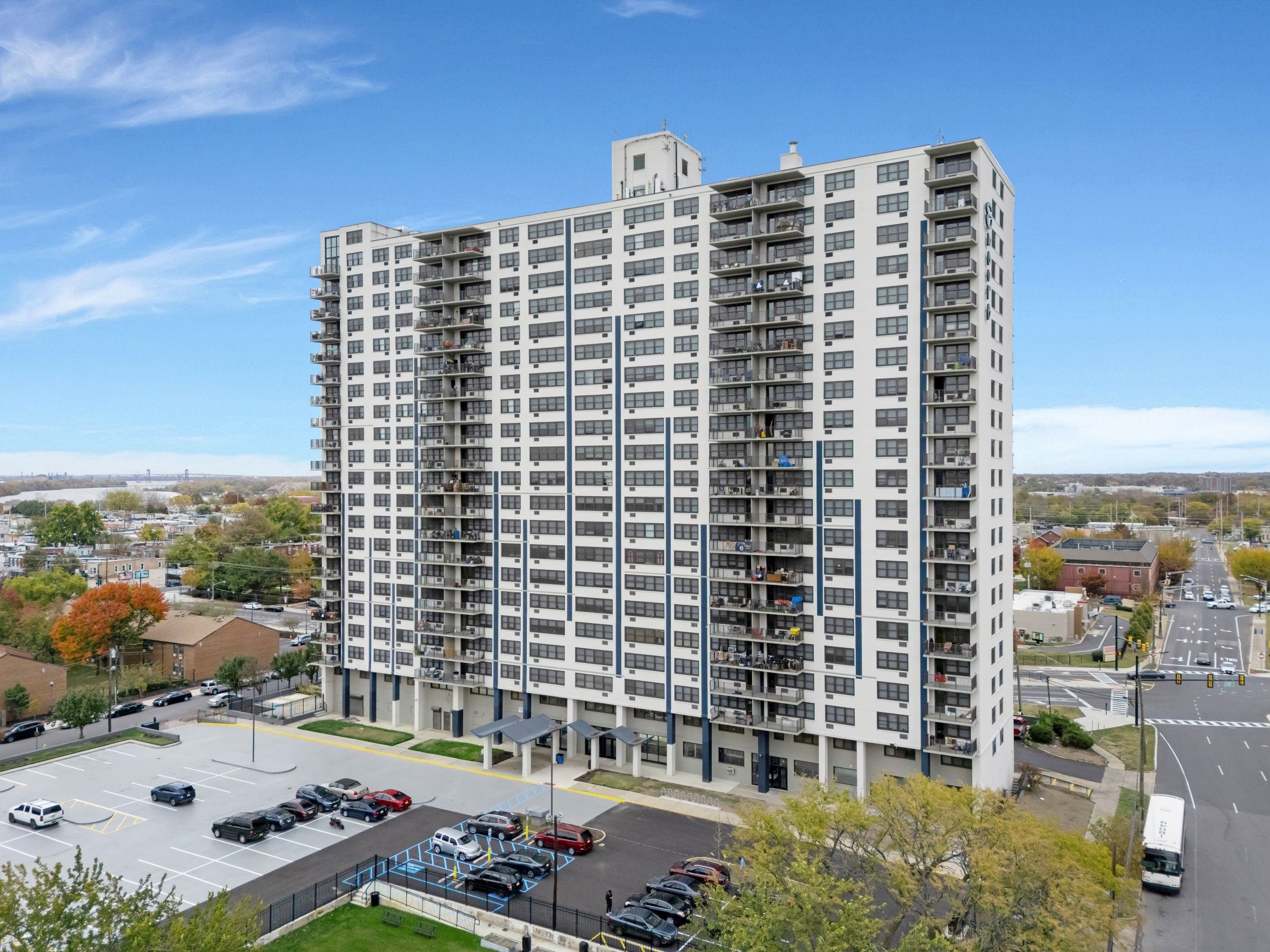
In affordable housing, utility expenses directly affect both ownership economics and resident affordability. Reducing water consumption and improving system efficiency can help lower operating costs while also reducing burdens that disproportionately affect low- and moderate-income households.
For residents, these investments help create a higher-quality living environment. For ownership, they help create a stronger and more efficient asset.
Those outcomes are not separate. They are connected.
Why This Matters for Investors
Institutional investors are increasingly recognizing that affordable housing has characteristics that can support durable long-term performance: stable demand fundamentals, structural supply constraints, and comparatively resilient occupancy.
But the next evolution of the sector will depend on how effectively owners integrate operational excellence with resident outcomes.
Properties that maintain affordability while reducing operating inefficiencies, modernizing infrastructure, improving environmental performance, and supporting resident stability may be better positioned to withstand economic volatility over time.
That does not mean every impact initiative automatically creates value. Execution matters. Discipline matters. Alignment between capital, ownership, and operations matters.
But the broader direction of the market is becoming increasingly clear.
Affordable housing preservation is no longer solely about maintaining rent restrictions. It is about creating operationally resilient communities that remain financially sustainable for decades.
The Multifamily Impact Council’s latest research helps move this conversation from theory toward measurable evidence. For owners, operators, lenders, and investors, that is an important development.
The affordable housing industry has long understood the social value of preservation. What is becoming increasingly clear is that thoughtfully executed preservation strategies can create operational and financial value as well.
The strongest affordable housing investments are often not those that prioritize resident outcomes or investment performance in isolation. They are the ones that recognize the connection between the two.
As the industry continues to evolve, that alignment may become one of the defining characteristics of successful long-term ownership.
The firms that recognize that connection - and build strategies around it - will be best positioned to preserve housing, serve residents, and generate value over time.
Jason Bordainick is the co-founder and managing partner of Hudson Valley Property Group. He frequently lectures at graduate schools of business on the future of affordable housing. He has been recognized by New York Real Estate Journal as “One to Watch” 2022 and as Affordable Housing Finance’s Young Leaders. He serves on the board of the New York State Association for Affordable Housing and is a member of the National Leased Housing Association and SPIRE (Stanford Professionals in Real Estate).